The History of the River Walk
Overview
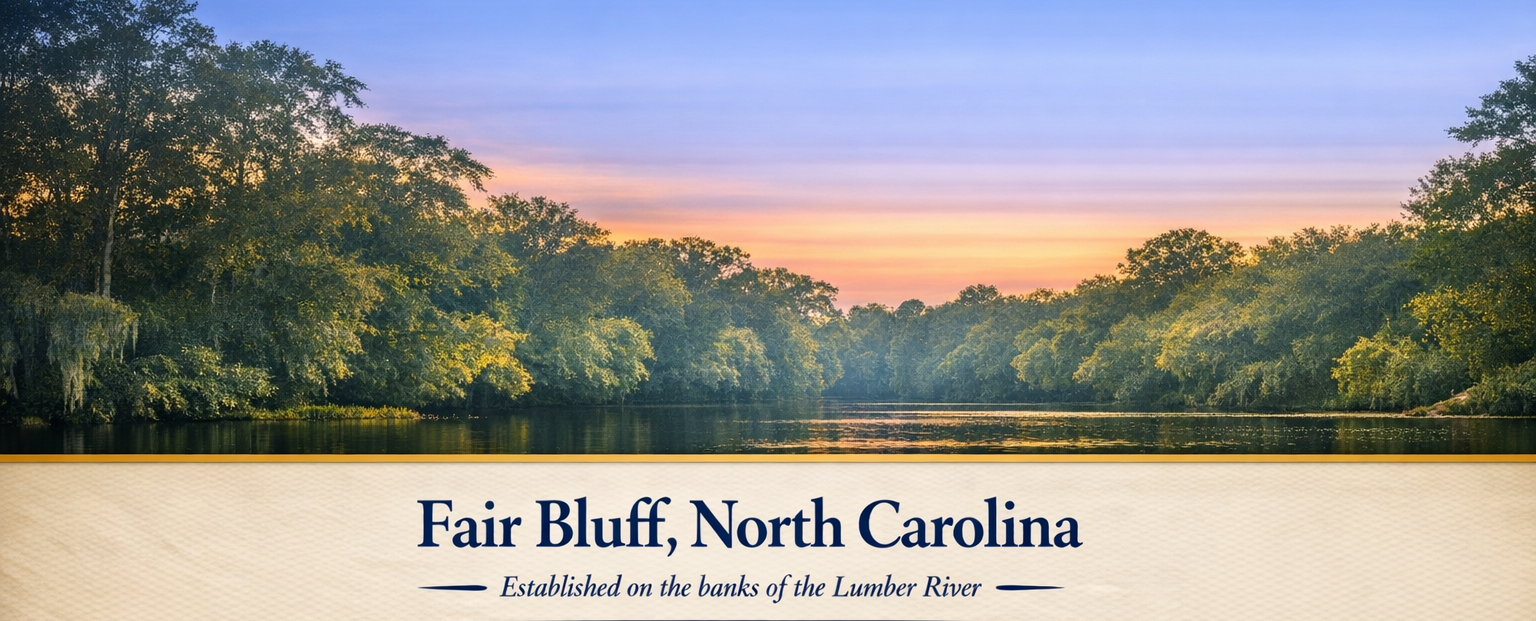
Nestled along the scenic banks of the historic Lumber River, the River Walk in Fair Bluff, North Carolina, is one of the town’s most cherished landmarks. Designed as a place where nature, history, and community meet, the River Walk reflects both the town’s deep-rooted heritage and its ongoing journey of renewal.
The River Walk is approximately one mile in length. It is a short, easily walkable boardwalk, typically taking about 20–30 minutes at a relaxed pace (this timing is a general estimate, not from a cited source). The design emphasizes scenic access rather than distance, allowing visitors to enjoy river views, wildlife, and a peaceful setting along the Lumber River.
The River That Shaped a Town
Fair Bluff itself grew up along a high bluff overlooking the Lumber River, which gave the town its name and early purpose. For generations, the river served as a vital transportation route, supporting trade, agriculture, and daily life in southeastern North Carolina.
Early residents—lumbermen, turpentine workers, and merchants—relied on the river for their livelihoods. Over time, the Lumber River became not only an economic resource but also a defining natural feature, shaping the culture and identity of the community.
Creating the Lumber River Walk
The Lumber River Walk is one of the town’s newest attractions, completed in 2010 as part of a community effort to celebrate and reconnect with the river.
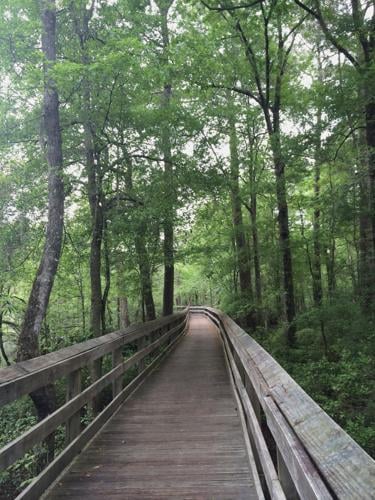
Built in four stages over several years, the walkway was designed as an elevated boardwalk that follows the natural course of the Lumber River.
The project aimed to:
- Provide public access to the river’s beauty
- Encourage outdoor recreation and tourism
- Highlight the town’s natural and historic resources
Today, the boardwalk allows visitors to experience the river up close while protecting the surrounding wetlands and ecosystems.
A Place of Nature and Reflection
Stretching alongside the river, the Lumber River Walk offers visitors a peaceful setting filled with native wildlife and scenic views. The Lumber River itself is known for its quiet waters, forested banks, and rich biodiversity, making the walk an ideal place for walking, birdwatching, and relaxation. [columbusedc.com]
For residents, the River Walk has become more than just a tourist destination—it is a place for gathering, storytelling, and connecting with nature.
Challenges and Resilience
Like much of Fair Bluff, the River Walk has faced significant challenges over the years. Severe flooding—particularly from hurricanes such as Hurricane Matthew in 2016—caused extensive damage to parts of the town and the walkway.
Despite these setbacks, the community has remained committed to preserving and restoring the River Walk as part of broader efforts to rebuild and revitalize Fair Bluff. The walkway stands as a symbol of resilience—reflecting both the power of the river and the strength of the people who live beside it.
The River Walk Today
Today, the Lumber River Walk continues to serve as:
- A scenic attraction for visitors
- An outdoor recreational space for locals
- A reminder of Fair Bluff’s connection to the Lumber River
It complements other local sites such as the Depot Museum and Visitors Center, which help tell the story of the town and its evolution over time.
Looking Ahead
As Fair Bluff continues to rebuild and grow, the Lumber River Walk remains an important part of the town’s vision for the future. By honoring its history while embracing its natural surroundings, the River Walk offers a lasting legacy—one rooted in tradition, resilience, and the enduring beauty of the Lumber River.